PAIN MANAGEMENT NEWS
Headaches | Neck Pain | Shoulder Pain | Hand & Arm PaiN | Knee Pain Read Below!
NOTE: Always Consult with your physician first if you are experiencing any pain issues and/or concerns!!! Jill ONLY shares tips that may be helpful...
Sore AND Tight Painful AREAS
Many believe effective pain relief from a massage requires enduring short-term pain, like digging and crushing. However, a good massage promotes blood flow, directs nutrients, and removes toxins. Pressure varies by client and targets muscle knots to relieve chronic pain issues and/or stress-related pain.
What happens when tissue knots and muscles feel tight, stiff, and inflexible?
- They often have trigger points that cut off blood supply.
- 75% of trigger points are linked to pain problems
- Trigger points often result from nerve impingement, muscle overuse or underuse, poor posture, hormonal imbalances, stress, nutritional deficiencies, dehydration, and more.
- If muscles tighten, they limit your range of motion.
- Muscles comprise approximately 40-50% of our body weight.
When fascia causes discomfort, it becomes tender, stiff, and painful, and the pain may be worse at night or in the morning. Fascia is fibrous tissue connecting muscle to bone, extending from head to feet, with three layers: Superficial (below skin, stores fat and water), Deep (surrounds muscles, bones, nerves, blood vessels), and Deepest (surrounds muscles, viscera, and related supportive structures within the body). Restriction leads to tightening, tearing, inflammation, and pain, which signals the body to heal. Listening to pain is crucial for recovery.
Licensed Massage & Bodywork Therapist Jill listens to your concerns. Skilled in injury rehab and pain relief, she treats trigger points causing referred pain by palpating and identifying knotted muscles, tendons, and tissues. This helps customize your treatment for a therapeutic experience. After a massage, maintain flexibility with stretches and exercises. Jill urges clients to consult their physician before bodywork to rule out medical issues if they have just experienced a traumatic event or have been experiencing pain for longer than expected.
What happens when tissue knots and muscles feel tight, stiff, and inflexible?
- They often have trigger points that cut off blood supply.
- 75% of trigger points are linked to pain problems
- Trigger points often result from nerve impingement, muscle overuse or underuse, poor posture, hormonal imbalances, stress, nutritional deficiencies, dehydration, and more.
- If muscles tighten, they limit your range of motion.
- Muscles comprise approximately 40-50% of our body weight.
When fascia causes discomfort, it becomes tender, stiff, and painful, and the pain may be worse at night or in the morning. Fascia is fibrous tissue connecting muscle to bone, extending from head to feet, with three layers: Superficial (below skin, stores fat and water), Deep (surrounds muscles, bones, nerves, blood vessels), and Deepest (surrounds muscles, viscera, and related supportive structures within the body). Restriction leads to tightening, tearing, inflammation, and pain, which signals the body to heal. Listening to pain is crucial for recovery.
Licensed Massage & Bodywork Therapist Jill listens to your concerns. Skilled in injury rehab and pain relief, she treats trigger points causing referred pain by palpating and identifying knotted muscles, tendons, and tissues. This helps customize your treatment for a therapeutic experience. After a massage, maintain flexibility with stretches and exercises. Jill urges clients to consult their physician before bodywork to rule out medical issues if they have just experienced a traumatic event or have been experiencing pain for longer than expected.
Listed Below are a few PHYSICAL PAIN issues and/or concerns that Jill specializes in treating
Jill’s Here To Help!
Head Pain | Headaches
Neck Pain | Tight Painful Knots…
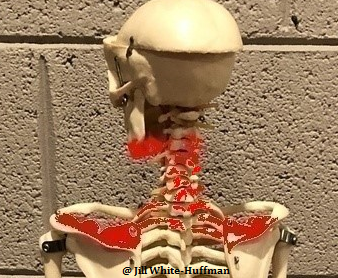
Shoulder Pain has 4 muscles: Supraspinatus | Infraspinatus | Teres Minor and Subscapularis

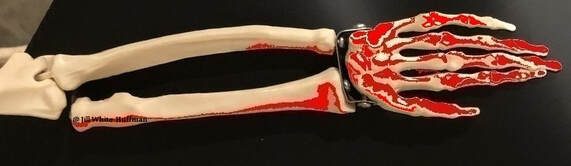
elbow | arm | Hand | Finger Pain
Back Pain
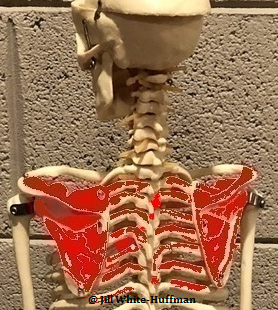
Hip Pain
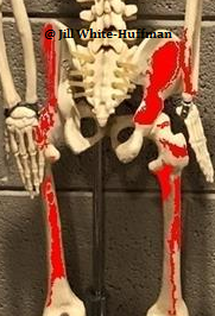
Sciatica Pain
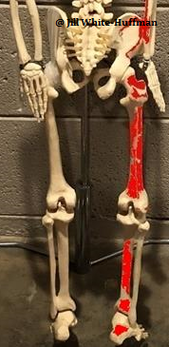
Hamstrings

KNEE PAIN

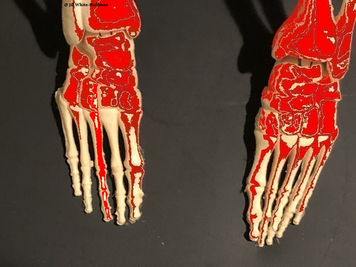
Foot Pain Relief with Foot Massage | Thai Foot Massage | Reflexology